
Museums & Historic Sites · Byram
Cranberry Lake
The Morris Canal reservoir that became a railroad resort, then vanished into a Byram Township lake community
Link copied
At a glance
- Built in the 1830s as a Morris Canal feeder reservoir, decades before anyone swam here for fun
- Frenches Grove drew railroad excursion crowds from 1902 to 1911, reached by its own footbridge
- The historic footbridge, closed since 2019, is among NJ's oldest, and now targeted for restoration
From Canal Water to Amusement Park: The Early Story of Cranberry Lake
Long before anyone called it a lake community, Cranberry Lake was plumbing. Around 1836, the Morris Canal and Banking Company dammed a natural pond in Byram Township to create a roughly 200 acre reservoir, built to feed water into the Morris Canal during dry spells. Locals at the time called it the Reservoir or Cranberry Reservoir, not Cranberry Lake, and its whole reason for existing had nothing to do with recreation.
That changed once the Lackawanna Railroad got involved. The rail line that once hauled iron ore out of the Andover mines had, by the turn of the 20th century, been converted for passenger excursion traffic, and the railroad noticed that Cranberry Lake made a natural weekend destination for city dwellers looking to escape the heat.
Frenches Grove and the Resort Years
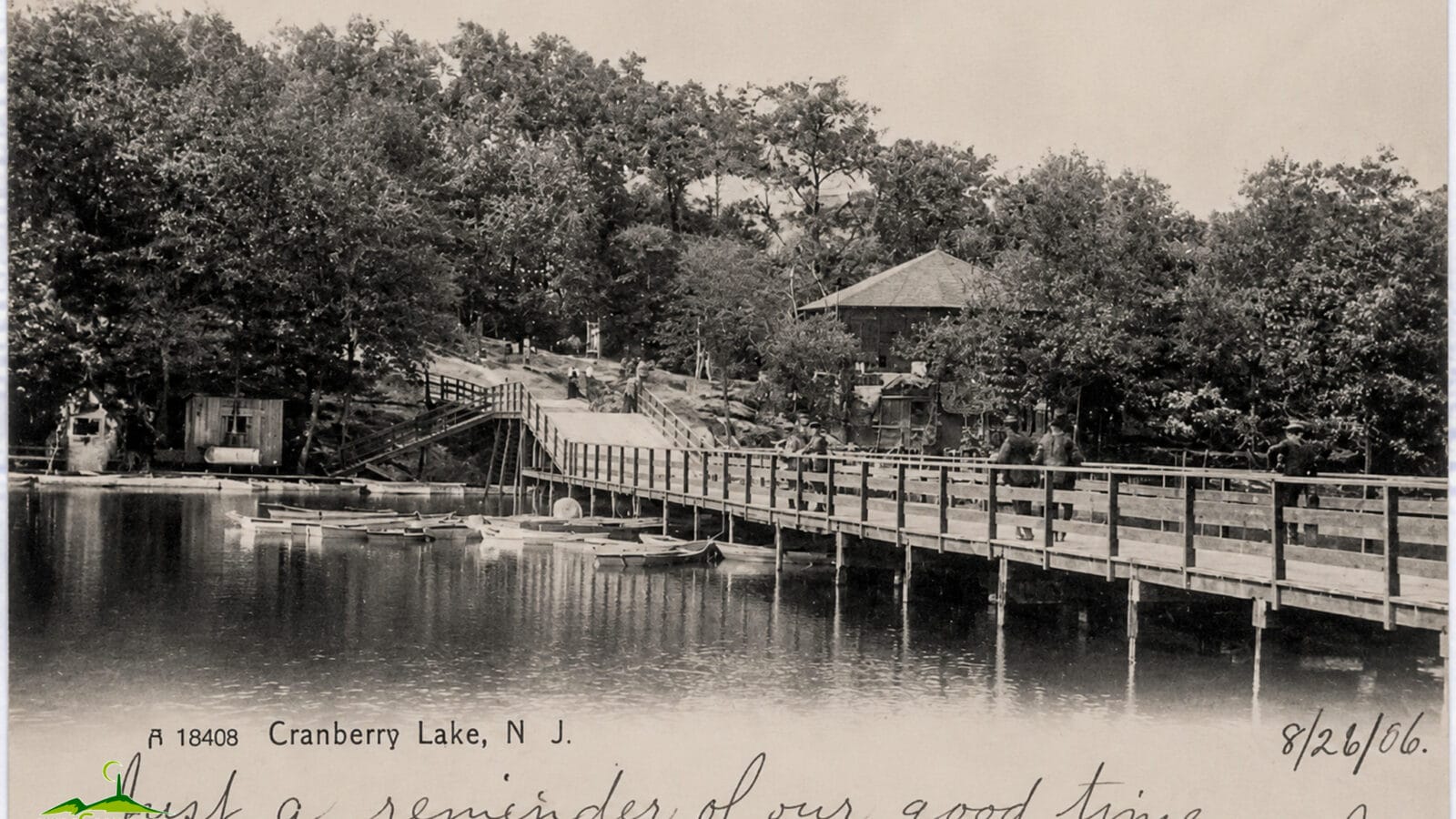
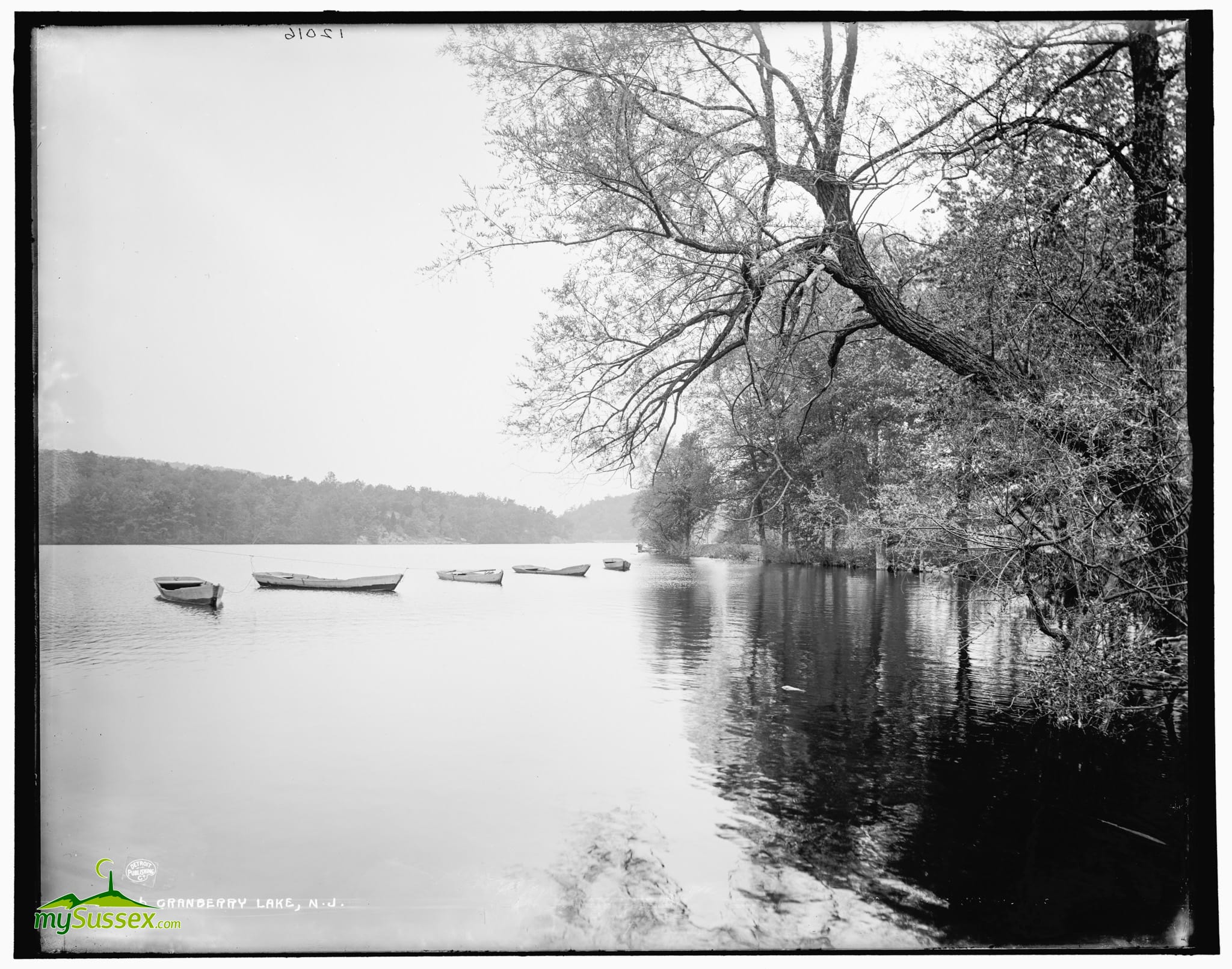
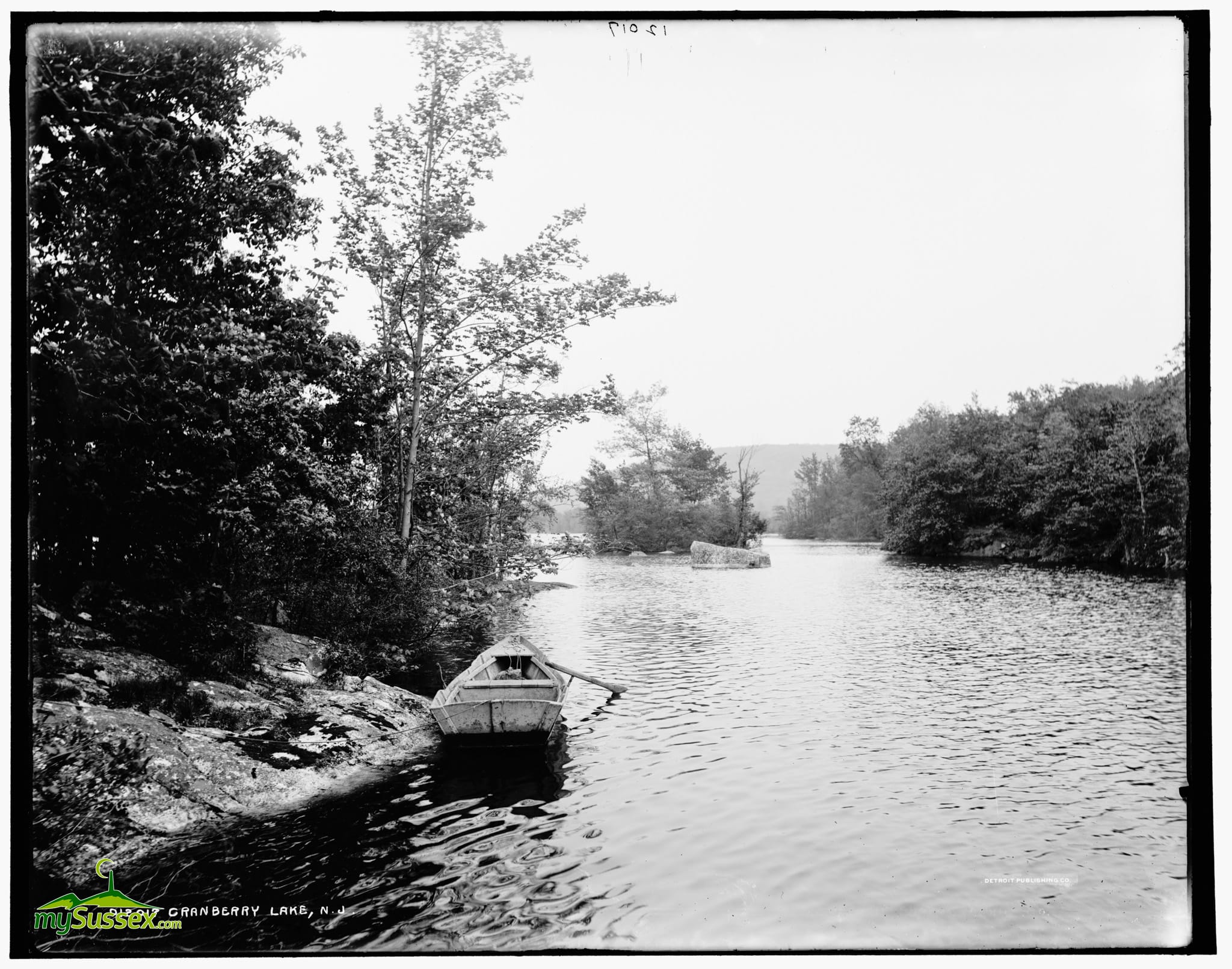
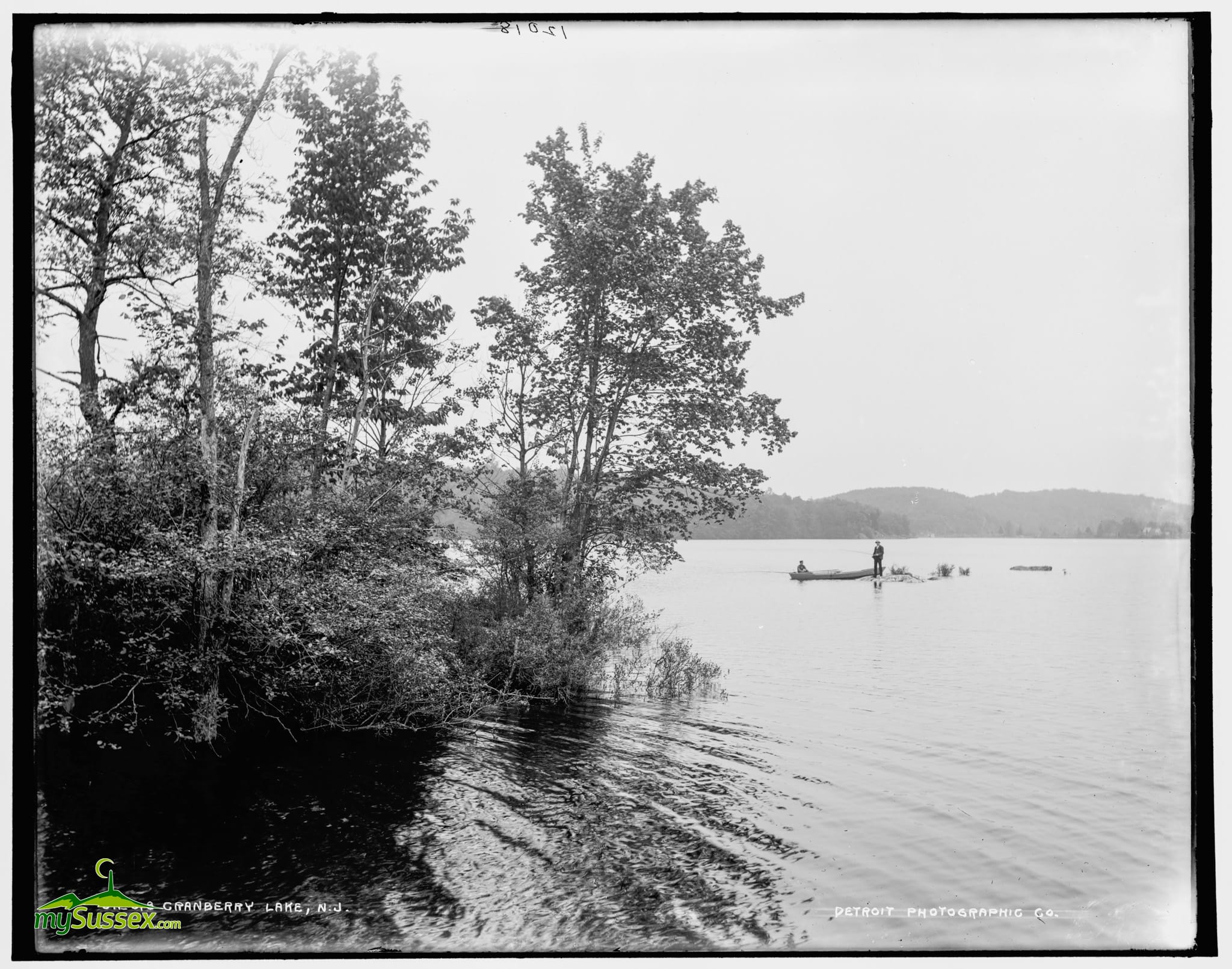
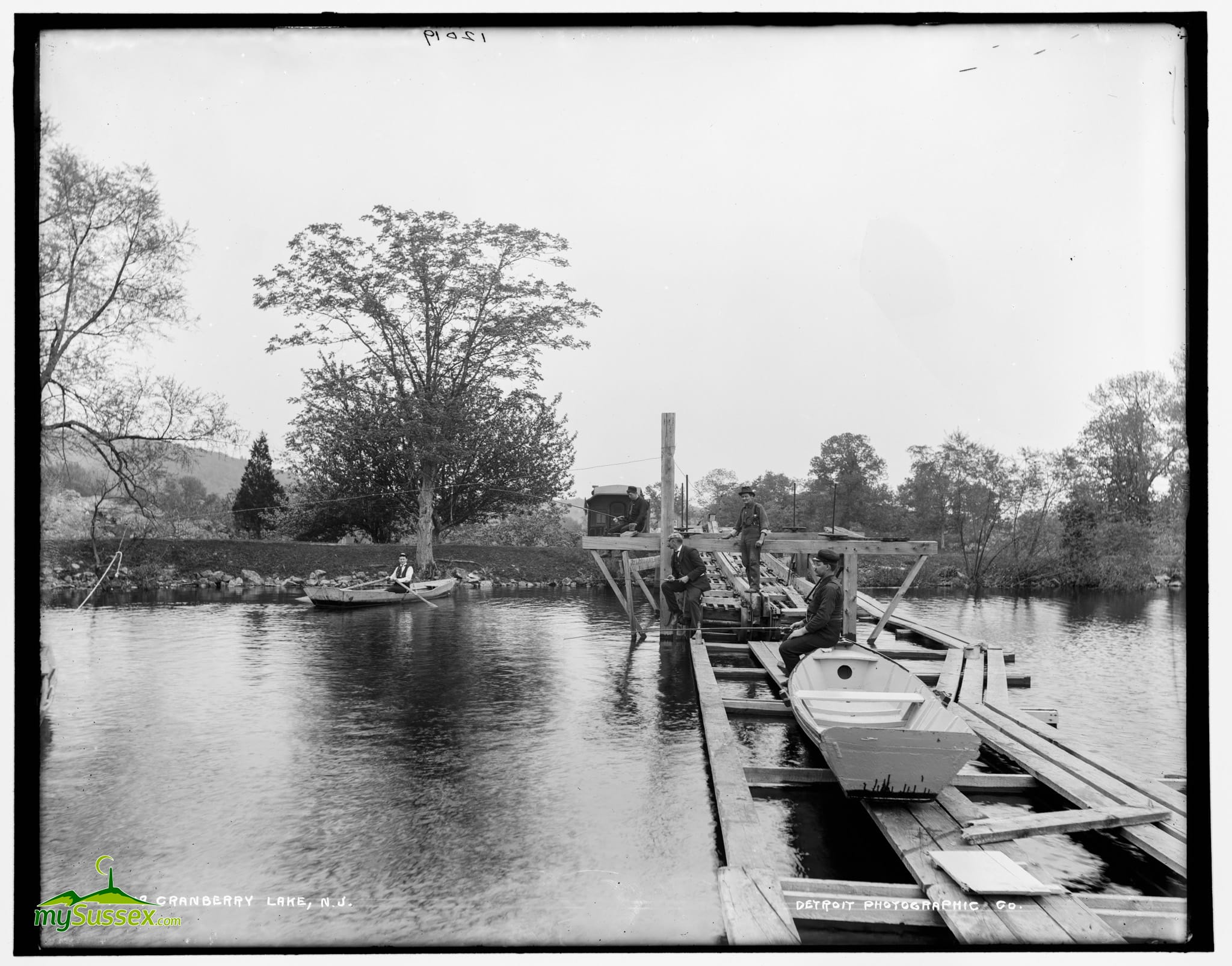
From 1902 to 1911, the Lackawanna Railroad leased shoreline land and built out an amusement park in what’s still known today as Frenches Grove. A footbridge connected the Cranberry Lake train station directly to the grounds, roughly where the current bridge crosses the lake off Route 206. Visitors picnicked, rowed, fished, and took part in lake regattas, and a hotel built around 1903 gave overnight guests somewhere to stay near the excursion action. The hotel stood where the Cranberry Lake clubhouse sits today, behind the site of the former Adam Todd Inn.
The Footbridge: One of New Jersey’s Oldest, and Still Standing
The current footbridge across Cranberry Lake has been closed since 2019 due to disrepair, but it’s held onto its status as one of the oldest pedestrian footbridges in the State of New Jersey. It isn’t the first bridge to cross at that spot, either. Earlier footbridges were simply sunk in place at the bottom of the lake near the current bridge site whenever they were replaced. A newspaper account of the process describes crews chaining the old bridge to a locomotive on the nearby rail line, then setting the train moving down the tracks until the bridge gave way and dropped into the lake. Pieces of that earlier history are technically still down there.
A grassroots group is now working to restore and reopen the bridge, raising awareness and pushing state agencies and elected officials to fund repairs. Anyone interested in following the effort or getting involved can visit Save Our Bridge.
Kayaking Cranberry Lake
Cranberry Lake is shallow and calm enough to be a good spot for beginner paddlers, with an average depth of around 7 feet. The best publicly available access point is the Cranberry Lake Public Dock on South Shore Road, a paver launch with a floating dock that’s easy to find once you know to watch for the turn off Route 206.
One thing worth knowing before heading out: the south end of the lake, near where it backs up to Allamuchy Mountain State Park, gets thick with plants and weeds later in the season, and can make for tough, slow going compared to the more open water up north. Paddlers looking for an easier trip may want to stick closer to the main body of the lake, while those chasing a wilder, more overgrown paddle can push toward that southern end on purpose.
Decline, Rebuilding, and the Modern Lake Community
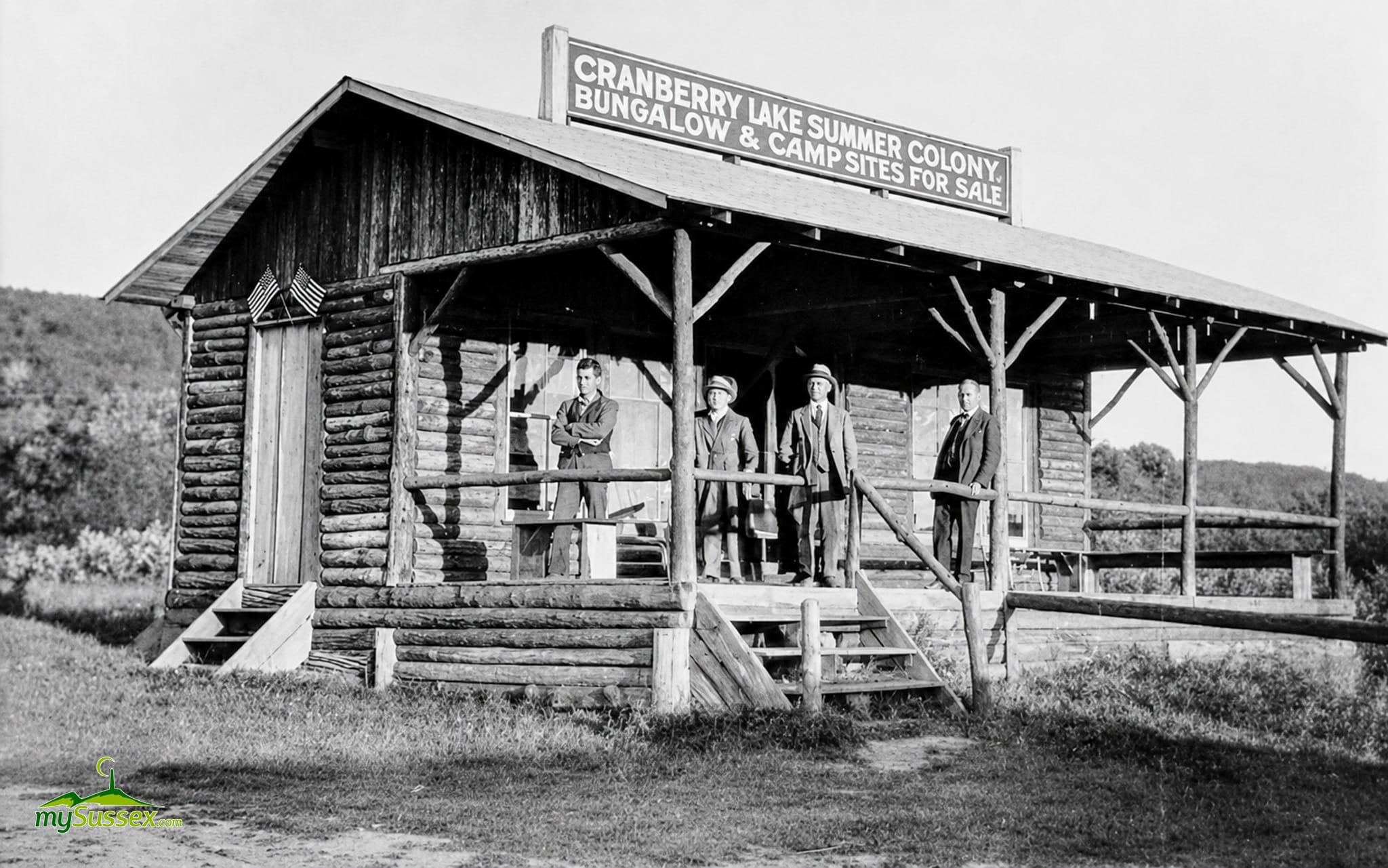
The hotel burned down around 1910, reportedly from a stove fire, and it was never rebuilt at that scale. Without it, the excursion economy that had defined Cranberry Lake for a decade fell apart quickly. By the mid-1920s the Morris Canal and Banking Company sold tracts of the former resort land to the Cranberry Lake Development Company, which subdivided Frenches Grove into summer cabin lots and built a new footbridge in 1925 to give cabin owners pedestrian access from the train station.
Those cottages gradually became the year round homes that ring much of the lake today. The Sussex Branch Trail, which follows the old Sussex Mine Railroad bed, still passes near the lake and offers a way to trace some of that transportation history on foot or by bike.
More to explore near Byram
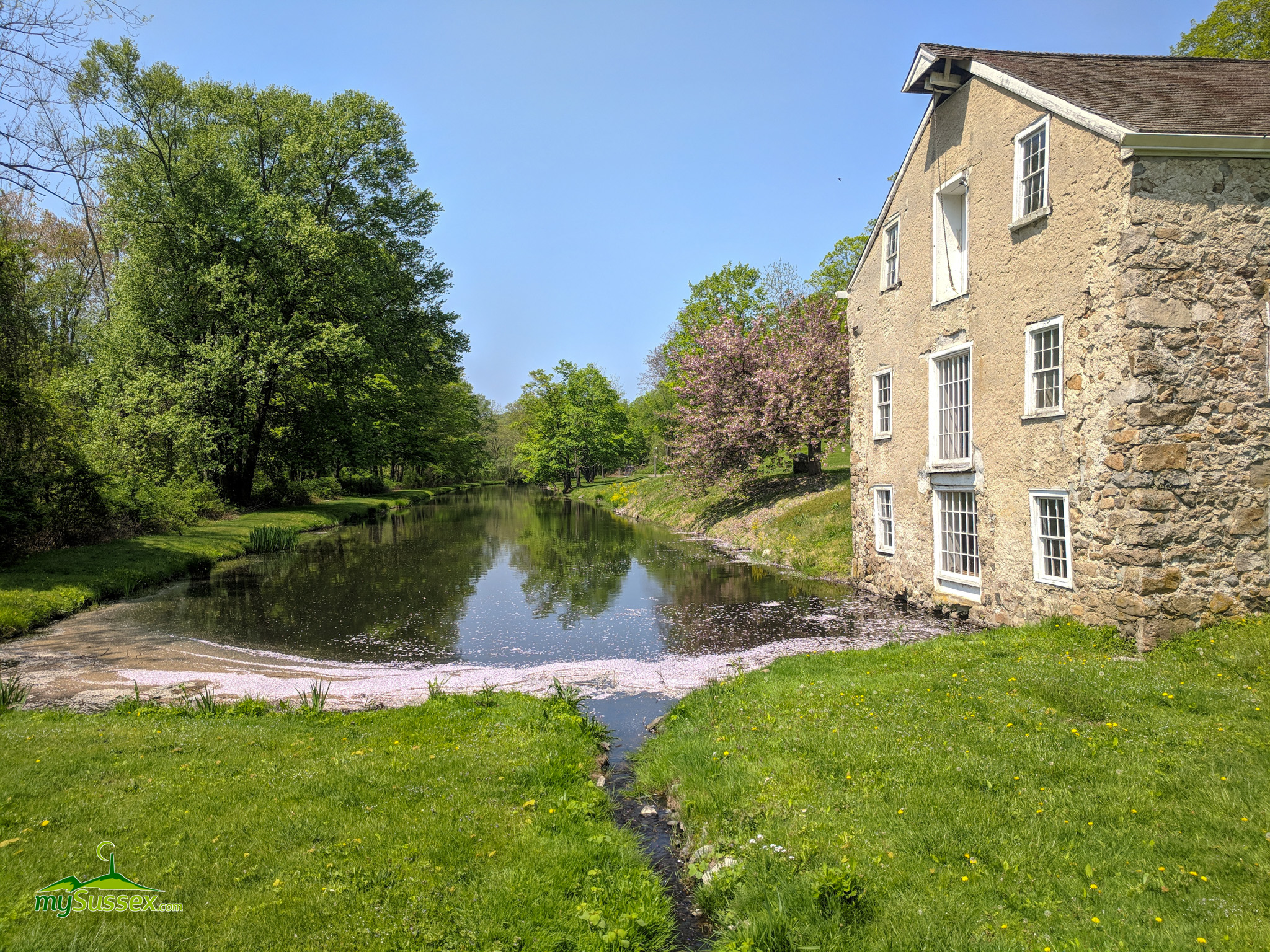
Waterloo Village
A restored 19th-century Morris Canal town, remarkably intact.
Seasonal
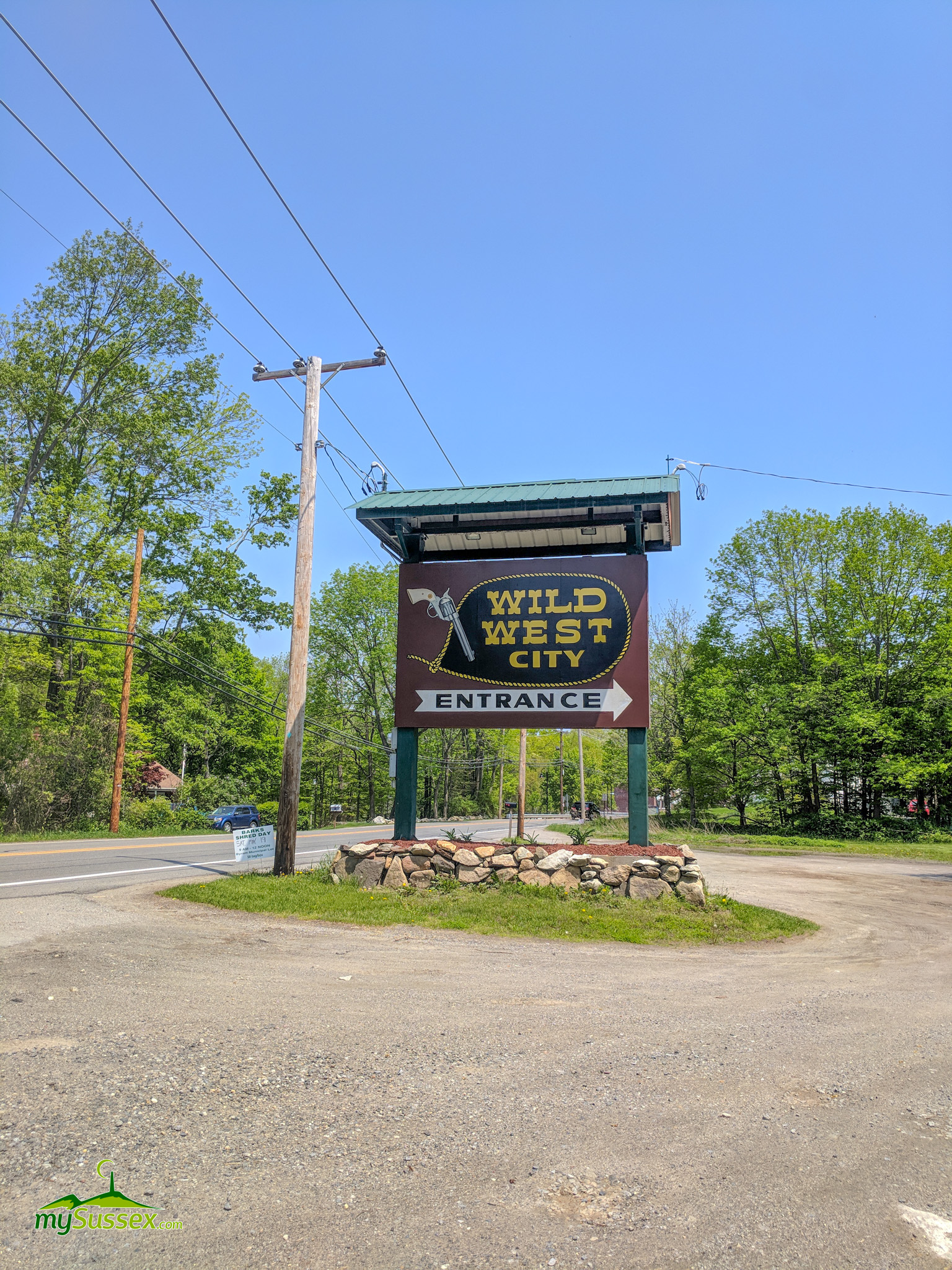
Wild West City
New Jersey's only western theme park, running wild in Sussex County since 1957
Black Forest Inn
Classic German-Continental dining that's held its standard for decades.
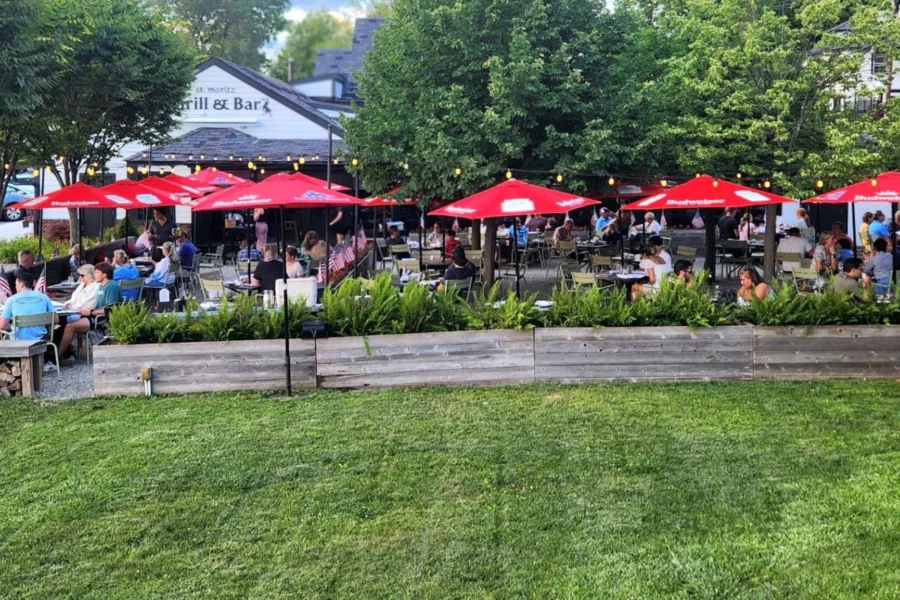
St. Moritz Grill & Bar
Wood-fired grilling on White Deer Plaza, plus the chicken schnitzel Sparta argues about
Places to stay nearby
Seasonal
Panther Lake Camping Resort
160 acres around a 45-acre lake, with cabin and trailer rentals available.
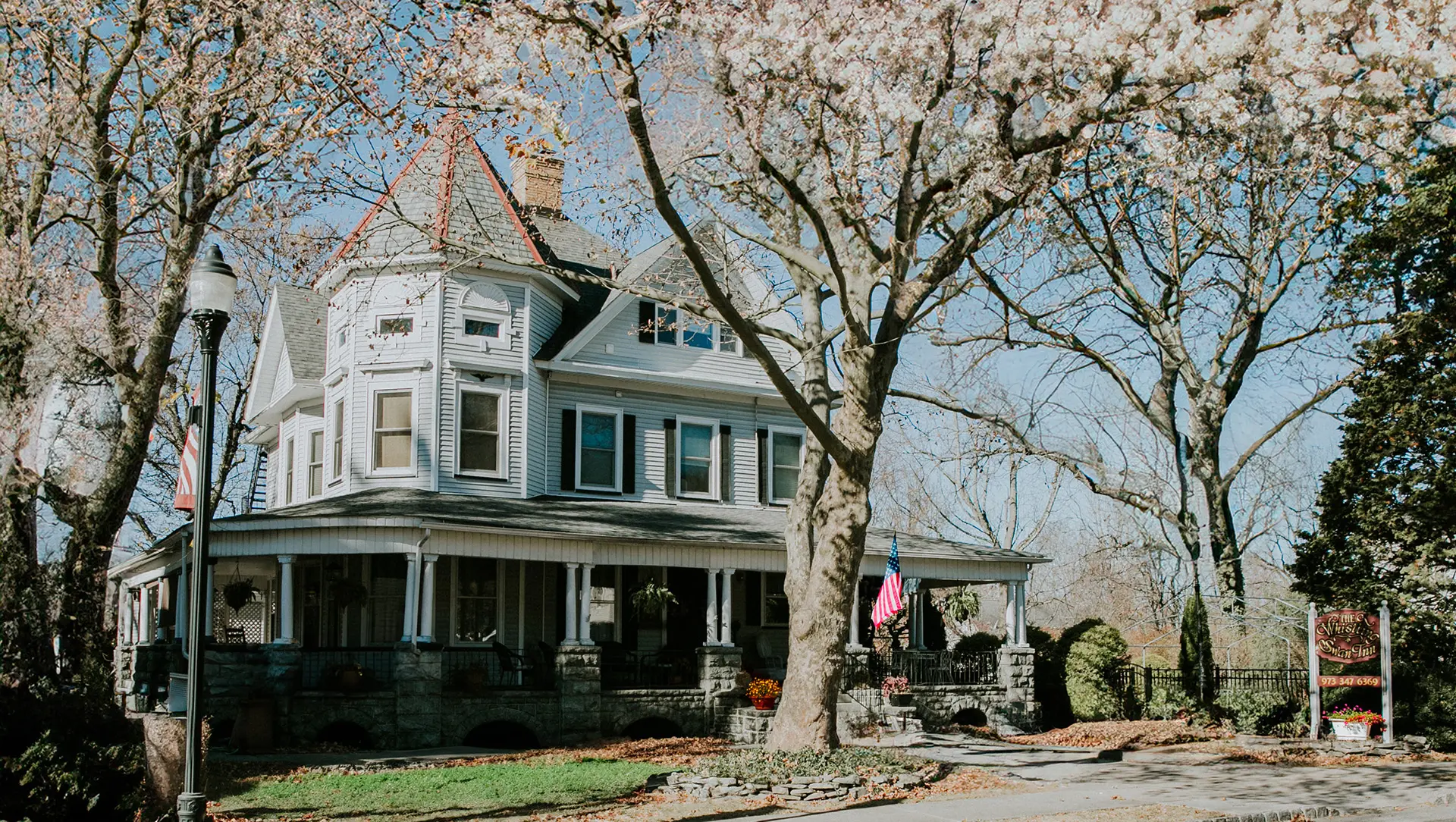
Whistling Swan Inn
A restored 1905 Victorian mansion and one of the top-rated B&Bs in the region.
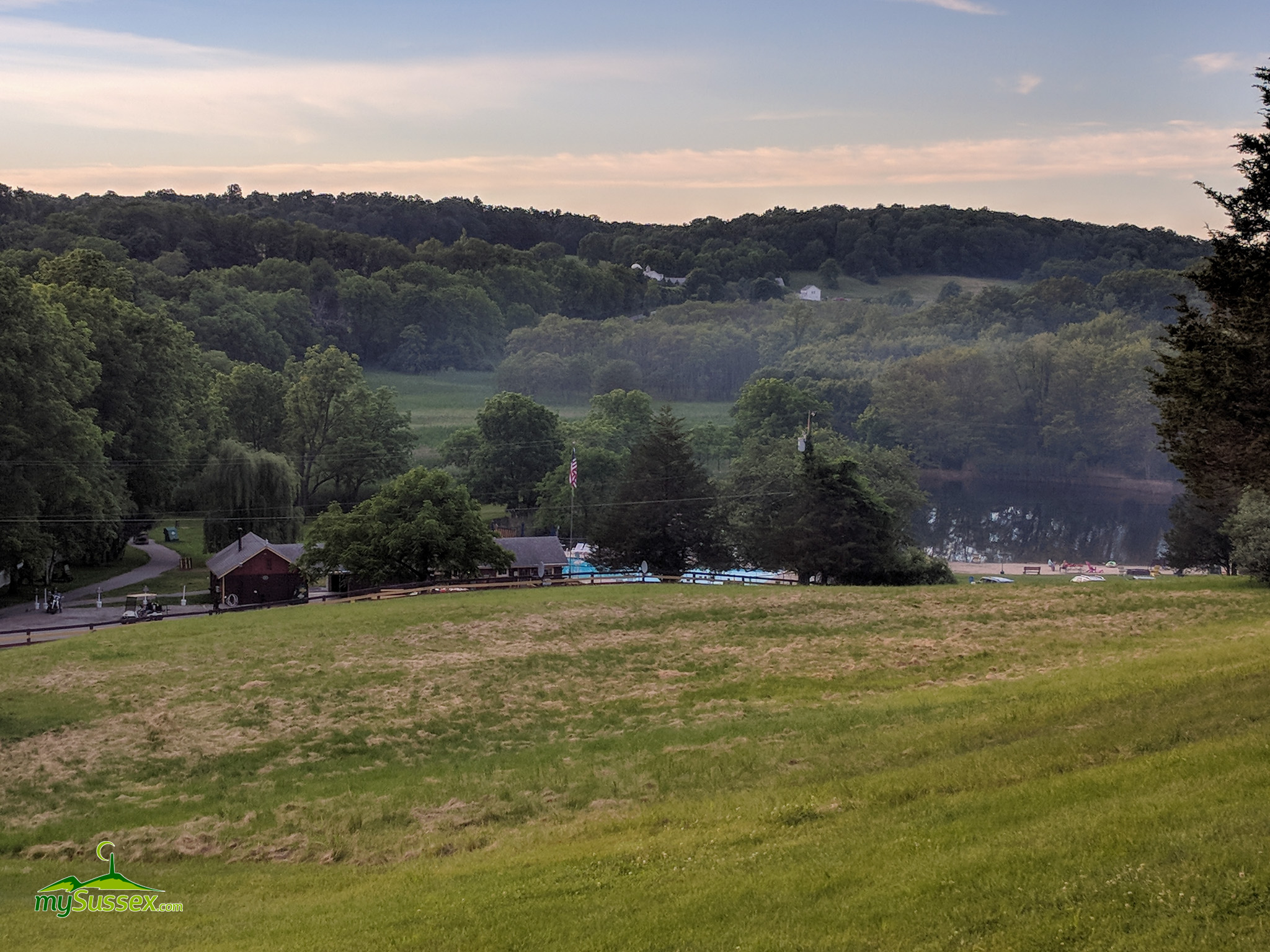
Great Divide Campground
270 sites on a former dairy farm, with live music and a private lake.